Fuel is one of the biggest ongoing expenses in fleet operations—and one of the most controllable. With the right systems, habits, and technology in place, fleets can significantly reduce fuel consumption without compromising productivity.
Here are the most effective measures commercial fleets can implement.
🤖 Leverage AI Camera Insights
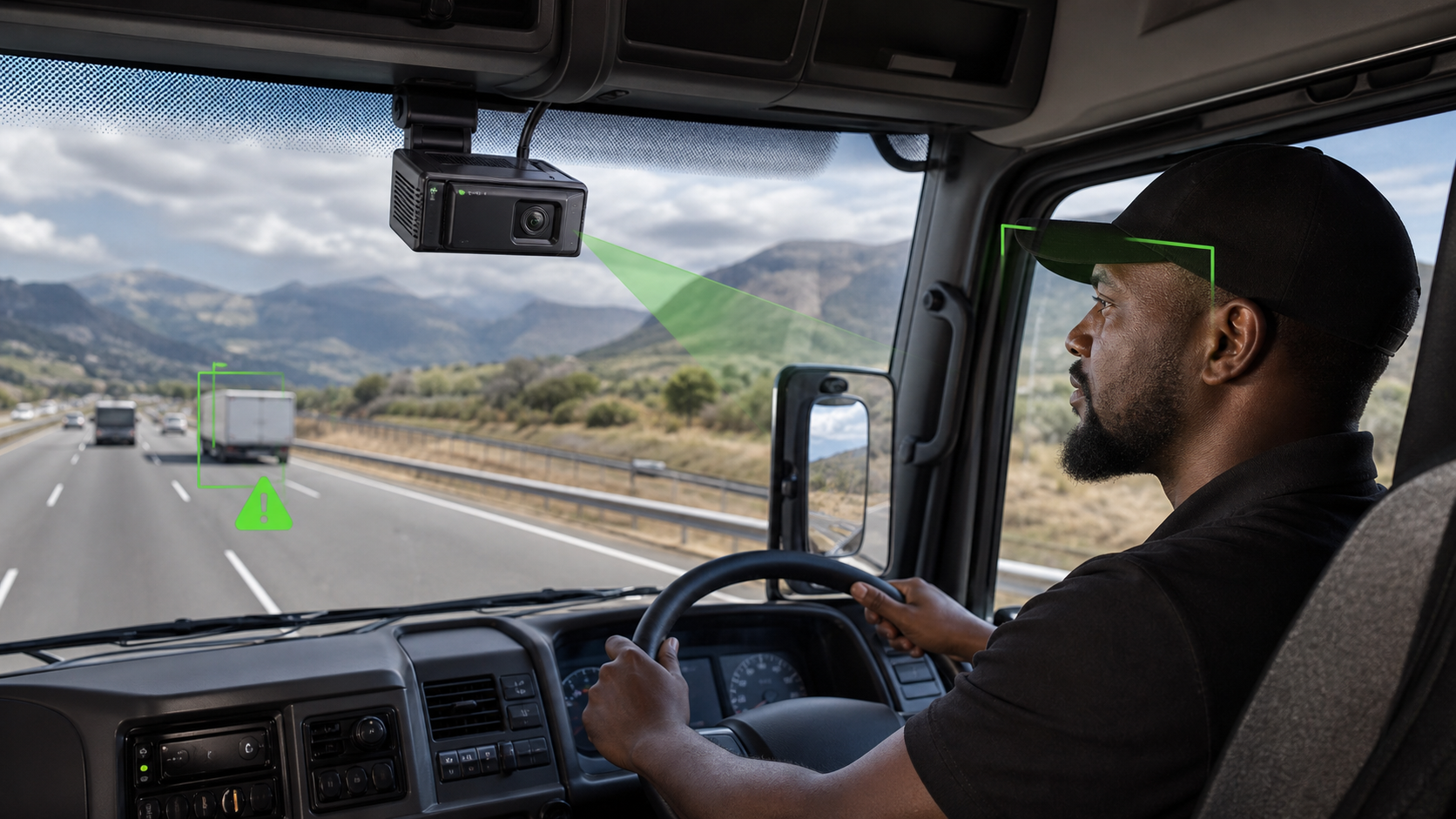
AI-enabled cameras can detect unsafe or inefficient driving habits in real time. By identifying behaviours such as harsh braking or distracted driving, fleets can intervene early and improve driving standards.
Better driving behaviour leads directly to lower fuel consumption.
📊 Monitor Driver Behaviour
Driving style has a direct impact on fuel consumption. Harsh acceleration, speeding, and aggressive braking all increase fuel usage.
By tracking driver behaviour and providing feedback or coaching, fleets can improve efficiency while also reducing wear and tear on vehicles.
📍 Use Geofencing for Efficiency Control
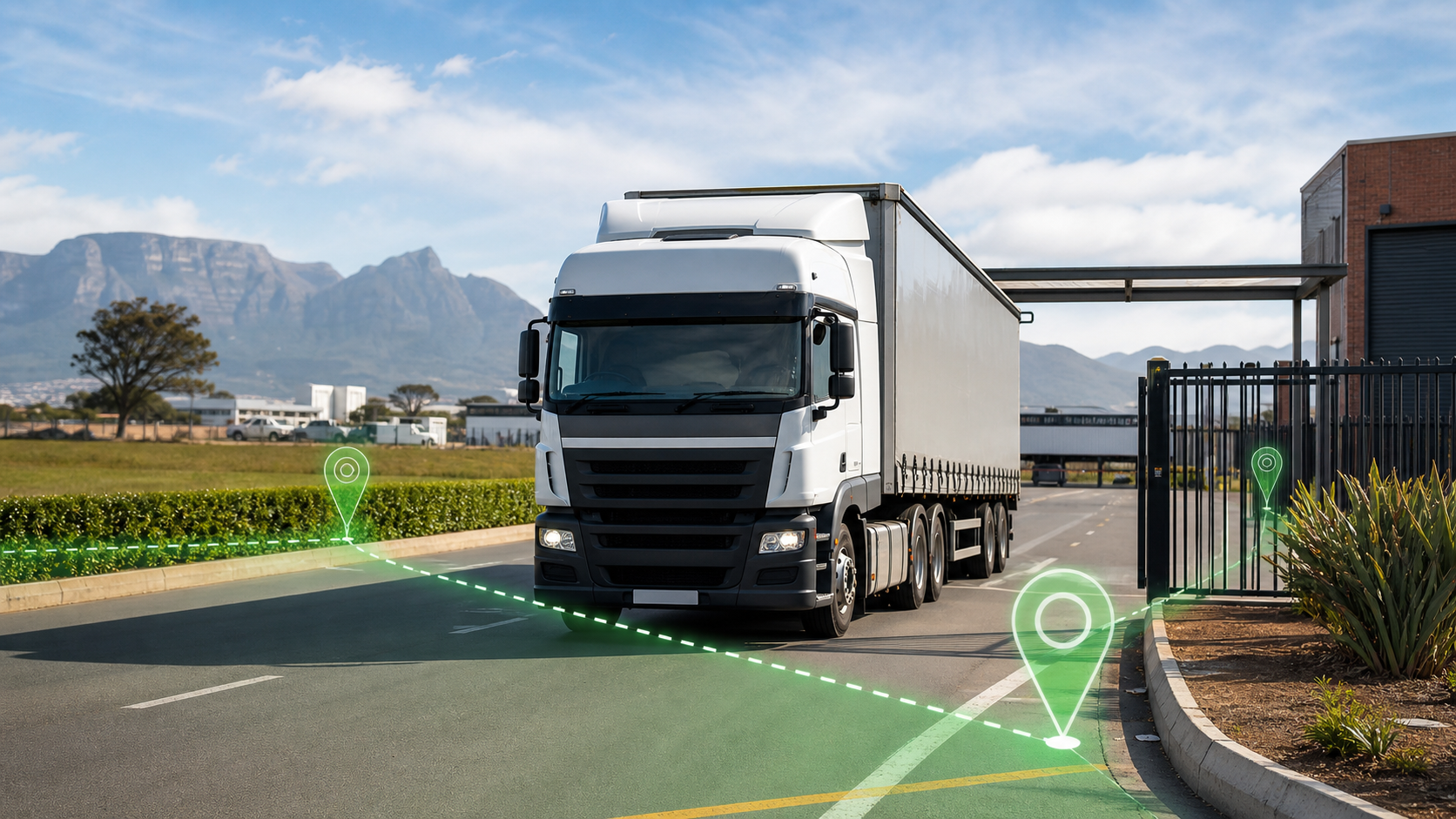
Geofencing helps track unnecessary detours, extended stops, or unauthorised vehicle usage. It also improves operational discipline by ensuring vehicles remain within planned service zones.
This level of control helps eliminate fuel wastage caused by off-route travel or extended downtime.
📈 Analyse Fuel Data Regularly
You can’t improve what you don’t measure. Regular fuel usage reporting helps identify trends, inefficiencies, and outliers across the fleet.
This data allows managers to take targeted action rather than relying on assumptions.
🚛 Optimise Route Planning
Poor route planning leads to unnecessary mileage, traffic delays, and wasted fuel. Using route optimisation tools helps ensure vehicles take the most efficient paths, avoiding congestion and reducing idle travel time.
Even small route improvements across a large fleet can deliver major monthly savings.
⛽ Reduce Idling Time
Idling burns fuel without moving the vehicle forward. Whether it’s waiting at sites, during deliveries, or in traffic, prolonged idling quickly adds up.
Monitoring idle time through telematics allows fleet managers to identify patterns and enforce smarter operating behaviour.
🛑 Improve Maintenance Scheduling
Poorly maintained vehicles consume more fuel. Issues like under-inflated tyres, dirty air filters, or engine inefficiencies all reduce performance.
A structured maintenance programme ensures vehicles run at optimal efficiency, reducing unnecessary fuel burn.
Conclusion
Reducing fuel costs isn’t about one big change—it’s about consistent, data-driven improvements across routing, driving behaviour, vehicle maintenance, and operational control.
With the right tools and discipline, commercial fleets can turn fuel from a rising cost into a controlled, optimised resource.